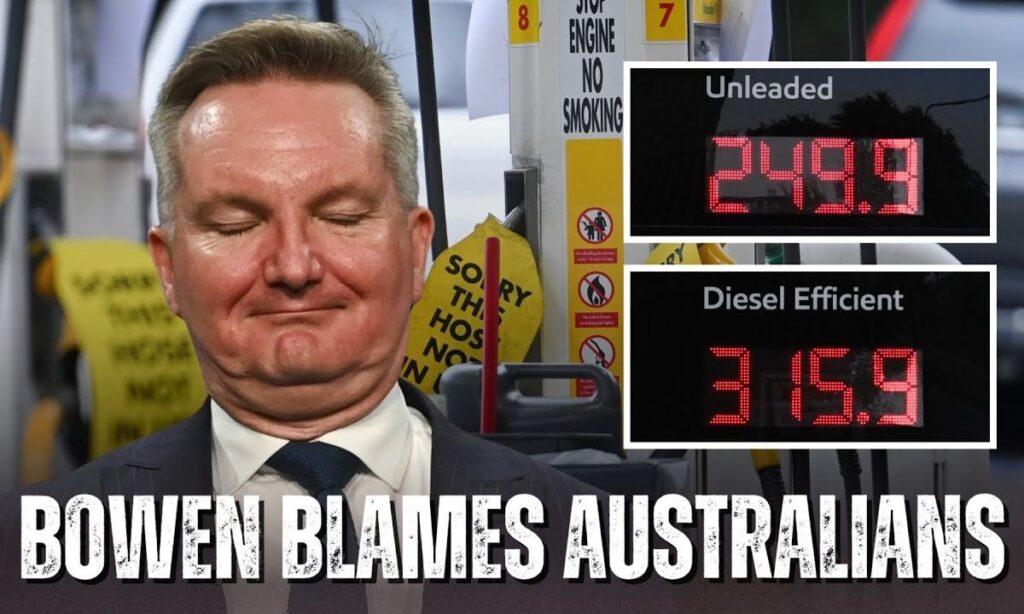
Energy Minister Chris Bowen is facing sharp criticism after comments that appear to shift responsibility for Australia’s growing fuel shortages onto everyday drivers rather than government planning. As petrol stations run dry in several states and motorists scramble for supplies, many Australians feel the minister is dodging accountability during a time of real strain at the pump.
The controversy erupted as Bowen addressed the public amid reports of empty bowsers and surging demand. Instead of focusing solely on supply chain issues tied to global events, he pointed to consumer habits as a key factor worsening the situation. This approach has ignited anger across talkback radio, social media, and opposition benches, with critics accusing the government of gaslighting the public.
How the Fuel Crisis Unfolded
Australia’s fuel supply has come under pressure from ongoing instability in the Middle East, which has disrupted refinery outputs in Asia and tightened imports. Domestic reserves exist, but regional shortages have hit hard, leaving hundreds of stations without diesel or unleaded petrol in recent days. Truck drivers, farmers, and families in outer areas report real difficulties keeping vehicles running for work and daily needs.
Bowen initially downplayed concerns, assuring the nation that stocks remained adequate. Yet as queues formed and some outlets posted “no fuel” signs, the tone shifted. He urged people to buy only what they need and highlighted what he saw as excessive demand from short trips and larger vehicles. Opponents argue this messaging changed too quickly from “no crisis” to “it’s your behavior” without clear fixes in between.
Public and Political Reaction
The backlash has been swift and widespread. Many view the remarks as unfair blame on ordinary citizens who simply want to fill their tanks without drama. Social media lit up with frustration, and commentators labeled the response as classic victim blaming at a moment when leadership is needed most.
Opposition figures have seized on the comments, questioning why the government did not act sooner to bolster reserves or communicate more clearly. They point out that mixed signals have only added to public anxiety instead of easing it. Drivers in affected regions say the last thing they need is a lecture when prices are climbing and supply feels uncertain.
Bowen’s Position and Defense
Bowen maintains that global factors beyond Australia’s control are the main driver, and he has announced steps like releasing portions of reserves and temporarily easing diesel standards to increase available supply. He continues to call for calm and responsible purchasing to avoid unnecessary shortages from panic.
Supporters of the minister argue that highlighting demand helps manage the situation in the short term while longer-term planning continues. However, the perception that he is pointing fingers at Australians rather than fully owning any gaps in preparedness has stuck with many observers.
- Australians are tired of shifting explanations that seem to evolve daily.
- Motorists in rural and regional areas feel the impact hardest yet hear the least targeted help.
- Critics say early denial followed by consumer blame erodes trust in energy policy.
- Calls grow for a more consistent national strategy instead of reactive measures.
What This Means for Everyday Australians
For families, businesses, and transport operators, the crisis translates to higher costs and disrupted routines. Fuel is not a luxury, and when stations run out, it ripples through grocery prices, delivery times, and commuting. People expect their government to secure reliable supply chains, especially in a country as vast as Australia where road transport is essential.
The episode also raises broader questions about energy security and how well current policies prepare the nation for international shocks. While no one disputes the role of overseas conflicts, the domestic handling has left many wondering if more could have been done proactively.
Looking Ahead in the Fuel Debate
As the situation develops, pressure mounts on the government to deliver clear actions that restore confidence. Whether through better stockpiling, incentives for efficient use, or stronger import arrangements, Australians want solutions over excuses. The coming weeks will test whether the minister’s approach calms nerves or fuels further discontent.
In the end, trust in leadership during crises depends on owning challenges squarely while working toward fixes. Blaming the public rarely builds the unity needed to navigate tough times. Many hope for a reset in tone and a renewed focus on practical steps that put supply stability first for all Australians.